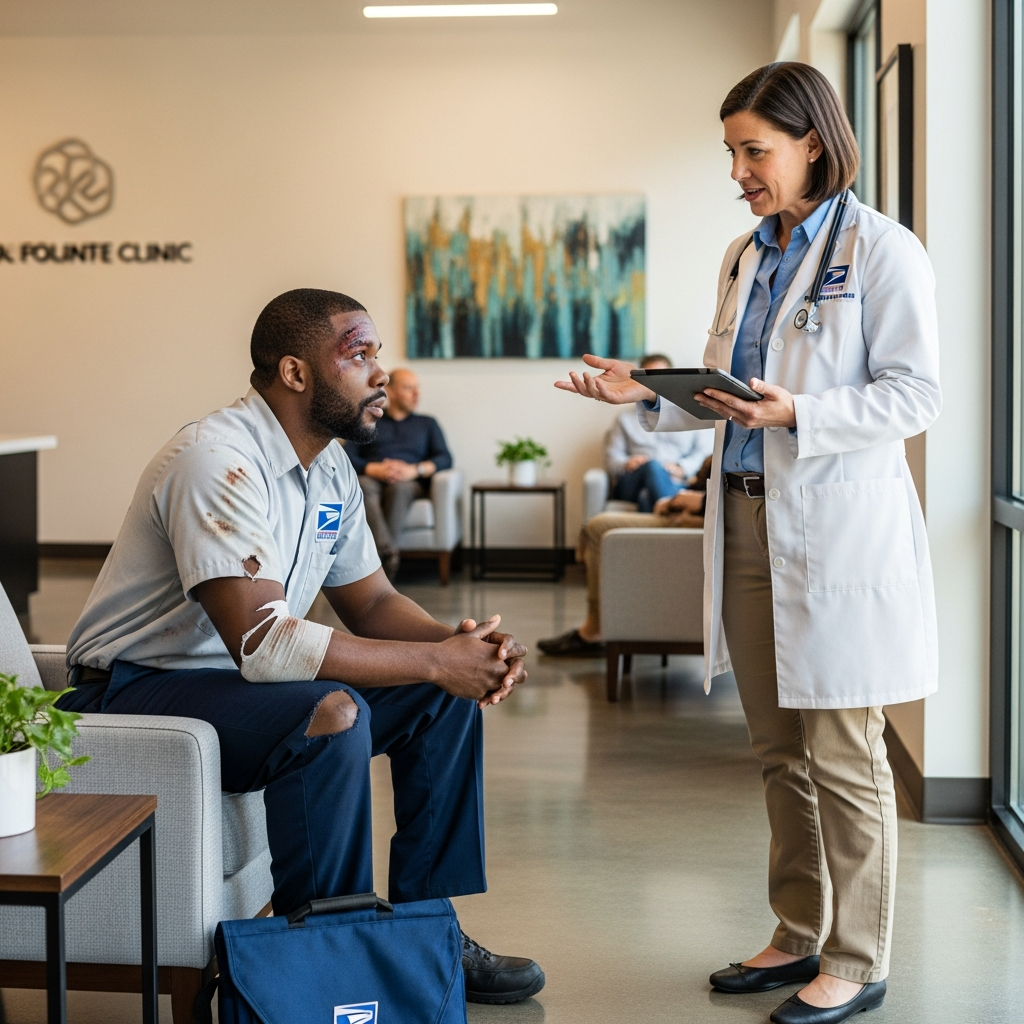
How OWCP Pain Clinics Support Long-Term Recovery

Sarah thought she’d be back to normal in six weeks. Maybe eight, tops.
That was eighteen months ago, right after her back injury at the postal facility. The workers’ comp paperwork promised comprehensive care, and honestly? She figured it’d be straightforward. Get the MRI, follow the treatment plan, return to work. Simple.
Except… it wasn’t.
The pain that should’ve faded became her unwelcome roommate. The initial urgency from her doctors morphed into something that felt more like – well, like she was being managed rather than healed. And somewhere between her fifteenth physical therapy session and her third specialist referral, Sarah started wondering if anyone was actually looking at the whole picture of her recovery.
Sound familiar? If you’re reading this, there’s a good chance you’ve felt that frustration – that sense that your OWCP claim has become more about checking boxes than getting your life back. You’re not imagining it, and you’re definitely not alone.
Here’s what nobody tells you about federal workers’ compensation: the system was designed for straightforward injuries with predictable healing timelines. Sprained ankle? Six weeks. Broken wrist? Three months. But chronic pain, complex injuries, or conditions that develop slowly over time? That’s where things get… complicated.
Your regular OWCP-approved doctor might be excellent at diagnosing problems and prescribing initial treatments. But when pain persists – when you’re dealing with sleep disruption, mood changes, fear about returning to work, or wondering if you’ll ever feel normal again – that’s when you need a different kind of expertise. That’s when you need specialists who understand that recovery isn’t just about fixing the injury itself.
It’s about rebuilding your whole life around wellness.
Think of it this way: if your car got rear-ended, you wouldn’t just fix the bumper and call it done. You’d want someone to check the alignment, test the electrical systems, make sure nothing else got knocked out of whack. Your body – and your life – deserves the same comprehensive approach.
OWCP pain clinics exist precisely because someone, somewhere, recognized this gap. They’re staffed by doctors who’ve seen hundreds of federal employees navigate the murky waters between “injured” and “fully recovered.” They understand that your pain isn’t just a medical problem – it’s affecting your work performance, your family relationships, your sleep, your mood, probably your finances too.
These clinics don’t just treat symptoms (though they’re excellent at that). They coordinate care. They advocate for you within the workers’ comp system. They help you understand what recovery actually looks like when it’s not a straight line from injury to 100% normal.
And here’s something that might surprise you: they’re often better at getting OWCP to approve the treatments you actually need. Turns out, having specialists who speak “workers’ comp language” and understand the approval process makes a huge difference in getting comprehensive care covered.
Throughout this article, we’re going to walk through exactly how these clinics work – not the bureaucratic overview you’d find in an OWCP handbook, but the real story. What happens during your first appointment (spoiler: it’s probably longer and more thorough than any medical appointment you’ve had lately). How they coordinate with your existing doctors. What kinds of treatments they might recommend that your regular physician hasn’t mentioned.
We’ll talk about the advocacy piece – how they help navigate those frustrating claim reviews and appeals. Because let’s be honest, trying to explain why you’re still not ready for full duty eighteen months post-injury shouldn’t require a law degree, but sometimes it feels like it does.
You’ll learn about the latest approaches to chronic pain management, the role of mental health support in physical recovery (it’s bigger than you might think), and how these clinics help people transition back to meaningful work – even when that looks different than before.
Most importantly, we’ll help you figure out if this kind of specialized care might be the missing piece in your recovery puzzle. Because here’s the thing Sarah discovered, and what thousands of federal employees are learning: sometimes healing isn’t about going back to exactly who you were before.
Sometimes it’s about becoming someone stronger.
What OWCP Actually Does (And Why It Matters to Your Recovery)
Let’s start with the basics, because honestly? The whole OWCP system can feel like trying to navigate a maze blindfolded. The Office of Workers’ Compensation Programs isn’t just some bureaucratic entity throwing around acronyms – it’s actually your safety net when work injuries derail your life.
Think of OWCP like your work injury’s case manager and financial lifeline rolled into one. When you get hurt on the job, they step in to cover your medical bills and replace lost wages while you heal. Simple enough, right? Well… not quite. Because here’s where it gets interesting – and a bit counterintuitive.
OWCP doesn’t just want to patch you up and send you back to work (though that would certainly be cheaper for them). They’re actually invested in your long-term recovery. Why? Because they’ve learned something important over the decades: rushing people back to work before they’re truly ready often leads to re-injury, chronic pain, and way higher costs down the road.
The Chronic Pain Reality Check
Here’s something that might surprise you – chronic pain after a work injury isn’t just “part of getting older” or something you need to “tough out.” It’s a legitimate medical condition that OWCP recognizes and treats seriously.
Think about chronic pain like a car alarm that won’t shut off. Your body’s alarm system – designed to protect you from harm – gets stuck in the “on” position long after the initial danger has passed. That constant noise isn’t just annoying; it rewires how your nervous system works, affects your sleep, your mood, even how you move through the world.
This is where OWCP pain clinics come into play. They understand that managing chronic pain isn’t like treating a broken bone – you can’t just set it, cast it, and wait six weeks. It requires a completely different approach, one that looks at the whole person rather than just the injury site.
Why Specialized Pain Management Makes Sense
Regular doctors – and I say this with all due respect to family physicians – they’re a bit like general contractors. Great for most jobs, but when you need specialized electrical work, you call an electrician. Chronic pain management? That’s specialized electrical work for your nervous system.
OWCP-approved pain clinics are staffed with specialists who eat, sleep, and breathe pain management. We’re talking about doctors who understand the intricate dance between physical injury, psychological impact, and social consequences. They know that your lower back pain might be affecting your sleep, which impacts your mood, which makes the pain worse… it’s all connected.
The Multi-Modal Approach (Don’t Worry, It’s Not as Fancy as It Sounds)
When OWCP talks about “multi-modal treatment,” they’re basically saying: let’s throw everything we’ve got at this problem. And honestly? That makes perfect sense when you think about it.
Imagine chronic pain like a stubborn stain on your favorite shirt. You wouldn’t just use one cleaning product and call it quits if it didn’t work, right? You’d try pre-treatment, maybe a different detergent, some gentle scrubbing, possibly even professional cleaning. Same principle applies to pain management.
These clinics might combine physical therapy with medication management, throw in some psychological counseling, add a dash of occupational therapy… whatever combination gives you the best shot at reclaiming your life. It’s not one-size-fits-all because – and here’s the thing people don’t always realize – your pain is as unique as your fingerprint.
The Long Game vs. Quick Fixes
Here’s where OWCP’s approach gets really interesting. In our instant-everything world, we expect quick fixes. Got a headache? Pop a pill. Sore back? Rest for a day. But chronic pain from work injuries? That’s playing the long game, and OWCP knows it.
They’re willing to invest in months – sometimes years – of comprehensive treatment because they understand something crucial: proper pain management early on prevents decades of suffering and disability later. It’s like investing in a good foundation for your house rather than constantly patching cracks in the walls.
The goal isn’t just to manage your pain so you can function. That’s setting the bar pretty low, don’t you think? The real goal is helping you build a life where pain doesn’t call all the shots – where you can work, play, love, and live on your terms, not your injury’s terms.
Getting the Most Out of Your First Few Appointments
Here’s what nobody tells you about those initial visits – they’re not just about your pain levels. Your clinic team is actually building a complete picture of how injury affects every corner of your life. Come prepared with specifics, not just “everything hurts.”
Keep a pain journal for at least a week before your appointment. Note when pain spikes (is it after sitting for two hours? First thing in the morning?), what activities trigger flare-ups, and – this is crucial – what actually helps. Maybe it’s that weird position you discovered where your back doesn’t scream, or the fact that your pain mysteriously disappears when you’re focused on your grandson’s baseball game.
Bring all your medical records, but also bring a timeline you’ve written yourself. “March 2023 – hurt my back lifting boxes. April – started having shooting pains down my leg. June – couldn’t sleep through the night anymore.” Your version often captures details that clinical notes miss.
Building Your Treatment Team Like You’re Assembling the Avengers
The secret sauce of OWCP pain clinics? They don’t just throw a single treatment at you and hope it sticks. Instead, think of it like… assembling a really good home renovation crew. You need different specialists who actually talk to each other.
Your pain management doctor might be the general contractor, but you’ll likely work with a physical therapist (who’s basically a movement detective), a behavioral health specialist (because chronic pain messes with your head in ways you might not even realize), and sometimes an occupational therapist who figures out how to make your daily life actually livable again.
Here’s the insider tip: actively participate in care coordination. Ask for copies of notes after each appointment. When you see your PT, mention what your doctor said about that new medication. When you’re with your counselor, talk about the exercises that are – or aren’t – working. These professionals are brilliant, but they’re not mind readers, and your insurance setup means they might not always have time to connect every dot.
The Return-to-Work Conversation (Yeah, We’re Going There)
This might be the elephant in the room you’re avoiding, but let’s talk about it anyway. The whole point of OWCP coverage is eventually getting you back to some kind of work capacity – whether that’s your old job, modified duties, or something completely different.
Start having honest conversations about this early, not when someone suddenly springs a “fitness for duty” evaluation on you. Your pain clinic team can help advocate for realistic accommodations. Maybe you can’t lift 50 pounds anymore, but you could handle the same job with some modifications. Or perhaps retraining makes sense.
The trick is being proactive about this conversation rather than defensive. I’ve seen too many people get caught off guard when OWCP starts pushing return-to-work timelines. Your pain clinic can provide documentation about your functional capacity that’s based on actual medical assessment, not just… wishful thinking from case managers who’ve never experienced chronic pain.
Creating Your Home Recovery Environment
Your treatment doesn’t stop when you leave the clinic. In fact, some of the most important work happens in your everyday environment – and this is where a lot of people accidentally sabotage their progress.
Set up your living space for success. That might mean moving your bedroom to the main floor temporarily, getting a shower chair (yes, even if you’re “not that old”), or rearranging your kitchen so you’re not reaching overhead constantly. Your occupational therapist can do a home assessment, but they can’t force you to actually implement changes.
Create what I call “pain flare emergency stations” around your house. Keep heat pads, ice packs, your prescribed topical medications, and comfortable positioning aids in easily accessible spots. When pain spikes, you don’t want to be hunting around your house for relief tools.
The Long Game: Managing Expectations and Setbacks
Recovery from workplace injuries isn’t linear – it’s more like… learning to dance with a particularly stubborn partner. Some days you’ll feel like you’re making real progress, others you’ll wonder if you’re moving backward.
Your pain clinic team expects setbacks. They’ve built treatment plans that account for bad days, medication adjustments, and the psychological roller coaster that comes with chronic pain. The key is staying connected with your team during rough patches, not disappearing because you feel like you’re “failing.”
Document everything – not just for insurance purposes, but for your own understanding of patterns. Sometimes what feels like a setback is actually part of the healing process, and having concrete data helps everyone make better decisions about your care.
When Motivation Hits Rock Bottom
Let’s be honest – that initial burst of determination you felt when you first walked into the pain clinic? It doesn’t last forever. Some days, you’ll wake up and think, “What’s the point?” This isn’t a character flaw or a sign you’re failing. It’s human nature, especially when you’re dealing with chronic pain that makes everything feel like climbing Mount Everest in flip-flops.
The thing is, OWCP pain clinics see this all the time. They know that recovery isn’t a straight line – it’s more like a drunk person trying to walk home. Lots of zigzagging involved. That’s why the best programs build in what I call “motivation maintenance.” Regular check-ins that aren’t just about your physical progress, but about where your head’s at. Support groups where you can admit you ate cereal for dinner three nights in a row because cooking felt impossible.
The solution isn’t to fake enthusiasm you don’t feel. Instead, work with your team to identify your smallest possible wins. Maybe it’s doing five minutes of physical therapy instead of thirty. Or showing up to one appointment this week instead of three. Sometimes the bravest thing you can do is lower the bar until you can step over it again.
The Insurance Maze That Never Ends
Oh, this one’s a doozy. You think you’ve got your OWCP coverage figured out, then suddenly there’s a form you’ve never heard of, or your usual provider isn’t covered, or – my personal favorite – the treatment that was approved last month is now “under review.” It’s enough to make you want to scream into a pillow.
Here’s what trips people up: they think they should understand all this bureaucratic nonsense on their own. Newsflash – even healthcare professionals get confused by insurance requirements. The smart move? Don’t go it alone. Most OWCP pain clinics have patient advocates or case managers whose entire job is navigating this maze. Use them. Seriously.
Keep a simple folder (physical or digital) with all your approvals, denial letters, and correspondence. When something gets denied, don’t just accept it – ask your clinic’s billing department to help you appeal. They’ve seen these denials before, and they often know exactly which magic words to use to get things approved.
When Your Support System Doesn’t Get It
You know what’s harder than dealing with chronic pain? Dealing with well-meaning friends and family who think they understand but… really don’t. “Have you tried yoga?” they ask, while you’re thinking, “Susan, I can barely put on socks without wanting to cry.”
This creates a weird isolation. You need support, but the people closest to you keep offering solutions that miss the mark entirely. Meanwhile, you’re torn between educating them (exhausting) and just nodding along (lonely).
The beauty of OWCP pain clinic programs is that they often include family education sessions. Not the boring PowerPoint kind – the real talk kind where your spouse finally understands why you can’t just “push through” the pain, and you learn how to communicate your needs without sounding like you’re complaining all the time.
The Setback Spiral
Here’s the scenario that absolutely breaks people: you’ve been doing better, really making progress, feeling almost human again… and then wham. Bad pain day. Or week. Or month. Suddenly you’re back to square one, and it feels like all that work was for nothing.
This is where a lot of people throw in the towel, because they think recovery means constant forward progress. But that’s not how bodies work – especially injured bodies. Think of it like the stock market. Daily fluctuations don’t matter if the overall trend is upward.
Your pain clinic team should be preparing you for this reality from day one. They should have a “setback protocol” – not just medication adjustments, but a plan for maintaining your mental health when things go sideways. Sometimes that means temporarily scaling back activities. Sometimes it means adding extra support sessions.
The key is reframing setbacks as information, not failures. What triggered this flare-up? What coping strategies worked? What didn’t? Each setback teaches you something about your body’s patterns, making you better prepared for the next one.
Remember, recovery isn’t about getting back to who you were before the injury. It’s about becoming someone who can live well despite ongoing challenges. That’s actually much more impressive than just bouncing back.
What You Can Realistically Expect in Your First Few Months
Let’s be honest about timelines here – because I’ve seen too many people get discouraged when their pain doesn’t magically disappear after the first appointment. Your OWCP pain clinic isn’t running a miracle factory (though sometimes it feels pretty close).
Most people start noticing some meaningful changes around the 6-8 week mark. Not complete pain relief – we’re talking about maybe sleeping a bit better, or realizing you climbed those stairs without wincing. Small wins that actually mean everything when you’ve been struggling.
The first month? That’s mostly about figuring things out. Your medical team is learning how your body responds to different treatments, and you’re getting used to new routines. Some days might feel worse before they feel better – especially if you’re doing physical therapy. Your muscles are basically having a conversation with exercises they haven’t done in years, and sometimes that conversation gets a little heated.
The Ups and Downs (Yes, There Will Be Both)
Here’s what nobody tells you about recovery – it’s not a straight line going up. It’s more like… well, imagine a stock chart during a volatile month. Overall trend upward, but plenty of dips that make you wonder if you’re actually getting anywhere.
You’ll have good days where you think, “Finally! I’m getting my life back!” And then – boom – a rough day hits and suddenly you’re questioning everything. This is completely normal. Your nervous system is basically rewiring itself, and that process comes with some static.
I’ve watched patients panic during these rough patches, thinking they’re “failing” at recovery. They’re not. Their bodies are just working through years of compensation patterns and protective mechanisms. Think of it like renovating an old house – sometimes you have to tear down walls before you can build something better.
Building Your Support Network (You’ll Need One)
Recovery isn’t a solo sport, even though it might feel that way sometimes. Your OWCP pain clinic becomes part of a larger team that should include your primary care doctor, maybe a mental health counselor, and definitely your family or close friends.
Don’t underestimate how much your relationships might shift during this process. Some people in your life might not understand why you can’t just “push through” the pain anymore. Others might be surprised when you start setting boundaries about what you can and can’t do. This is all part of learning to advocate for yourself – a skill that’s honestly crucial for long-term success.
Creating New Daily Rhythms
The clinic will likely give you homework – exercises, meditation practices, medication schedules, activity modifications. At first, this feels overwhelming. You’re juggling doctor appointments, therapy sessions, and trying to maintain some semblance of normal life.
My suggestion? Start small and be patient with yourself. Maybe it’s just five minutes of the breathing exercises they taught you, or remembering to take your afternoon medication on time. These tiny habits compound over weeks and months into something much bigger.
You’ll probably need to experiment with your daily schedule too. Many people find their energy patterns change as their pain management improves. That 2 PM crash you’ve been experiencing for months might shift, or you might discover you’re actually a morning person when you’re not starting each day in significant discomfort.
When to Celebrate Progress (Hint: More Often Than You Think)
We’re terrible at recognizing our own progress, especially when it comes gradually. Your brain adapts to improvements quickly – what felt amazing last month becomes your new normal, and suddenly it doesn’t feel like progress anymore.
Keep a simple log – nothing fancy, just a few notes about your pain levels, sleep quality, or activities you managed. Looking back over a few weeks, you’ll be surprised at the patterns you notice.
Planning for the Long Haul
Most OWCP pain management programs work in phases. Initial intensive treatment, then maintenance, then eventually transitioning to self-management with periodic check-ins. The goal isn’t to keep you dependent on the clinic forever – it’s to give you tools and strategies that work in your real life.
This transition phase can feel scary. You’re moving from having a lot of medical support to managing more independently. But by that point, you’ll have months of practice using your new tools. You’ll know what works for your body and what doesn’t.
The key is staying connected to your resources without becoming overly dependent on them. Think of it like learning to ride a bike – eventually, you don’t need someone holding the seat anymore, but it’s nice to know they’re there if you wobble.
You know what strikes me most about OWCP pain clinics? It’s not just the fancy equipment or the specialized treatments – though those certainly matter. It’s the way they recognize that your pain isn’t just physical. It’s how it’s changed your relationship with work, with your family, with yourself.
I’ve seen people walk into these clinics carrying more than just physical discomfort. They’re carrying worry about their job security, frustration with insurance paperwork, and that nagging voice that whispers “what if this never gets better?” The beautiful thing about OWCP-approved facilities is that they get it. They understand you’re not just a collection of symptoms – you’re someone trying to rebuild your life.
The multidisciplinary approach really does make a difference. When your physical therapist talks to your doctor who collaborates with your case manager… well, that’s when things start clicking into place. No more feeling like you’re playing telephone between different offices, repeating your story over and over to people who seem to be working in silos.
And here’s something I find particularly encouraging – these clinics have seen thousands of people in situations just like yours. They know the difference between a setback and a step backward. They understand that healing isn’t linear, that some days you’ll feel great and others… not so much. That’s normal. That’s expected. That’s part of the process.
The integration with your workers’ compensation case takes such a weight off your shoulders, doesn’t it? When treatment decisions align with your claim requirements, when documentation flows seamlessly between providers – it’s like finally having all the pieces of the puzzle in the same box.
But perhaps most importantly, these clinics plant something that might have gotten buried under months of pain and paperwork: hope. Real, practical hope based on evidence and experience. They’ve helped people return to work they love, find new career paths when returning isn’t possible, and discover that life after injury can still be meaningful and fulfilling.
Recovery looks different for everyone. For some, it’s getting back to the exact job they had before. For others, it’s learning to manage chronic pain while building a new normal. Both paths are valid. Both deserve support.
The thing is, you don’t have to figure this out alone. You don’t have to navigate the maze of workers’ compensation requirements while managing pain and trying to heal. That’s exactly what these specialized clinics are designed for.
If you’re sitting there wondering whether it’s worth making that call, whether your situation is “serious enough,” or whether you’ve waited too long to get help – stop. Your pain matters. Your recovery matters. You matter.
Reaching out isn’t admitting defeat – it’s taking the first step toward getting your life back. And honestly? That takes more courage than suffering in silence ever will.
Ready to explore your options? Our team understands both the medical complexities of workplace injuries and the ins and outs of workers’ compensation. We’re here to listen, to help, and to support you through every step of your recovery. Give us a call – let’s talk about what’s possible.